Spring 2026 update from the 5S5S Center
Updates from the Buckeye Sign Language and Multimodal Collaborative (5S5S)
Overview
We have been quite busy this past year! In two not-quite-completed semesters, we have navigated the changes required of us by SB1, launched a new certificate program, and conducted a year-long program to bring together our students, faculty, and local communities.
Name Change
In response to the mandates set forth by SB1, we changed our name and revised our mission. We are now the Buckeye Sign Language and Multimodal Collaborative (5S5S). This name change was thought through with generous guidance from Dr. Maurice Stevens. Our name reflects a desire to collaborate across the University and local communities of diverse stakeholders with interest in multimodal languaging to promote intellectual inquiry, co-produce new knowledge, create more expansive curricular offerings for our students, and engage community partners from across Ohio.
Buckeye emphasizes that this center is uniquely an Ohio State entity. We emphasize sign language to recognize our origins in and close partnership with the American Sign Language program. This is also the rationale for our acronym, 5S5S, which is a direct translation from the handshapes that forms the three ASL signs for Buckeye Sign Language and Multimodal Collaborative. This is a celebration and reminder of deaf people’s creative languaging practices.
Certificate Launched
In the spring of 2026, we welcomed an inaugural cohort of 7 students in our new Certificate in Teaching Elementary American Sign Language (ASL). This 13-credit program is fully online. This certificate addresses a significant gap in the field of sign language teaching. Despite being the third-most popular language of instruction in higher education, there are few opportunities for people to receive pedagogical training in teaching ASL. A common refrain among directors of ASL programs across the United States is, “the students are here but we have very few people who can teach.” Through this initiative, ASL students at Ohio State have a rare opportunity that students in ASL programs in most major universities do not have: the opportunity for our undergraduate ASL students to interact with fluent signers in our two cross-listed courses, side-by-side as students. This linguistic immersion, combined with deaf adults sharing their lived experiences and knowledges, enriches our ASL students’ learning experience and provides them with extra tools in their toolboxes for their postgraduate lives.
Programming
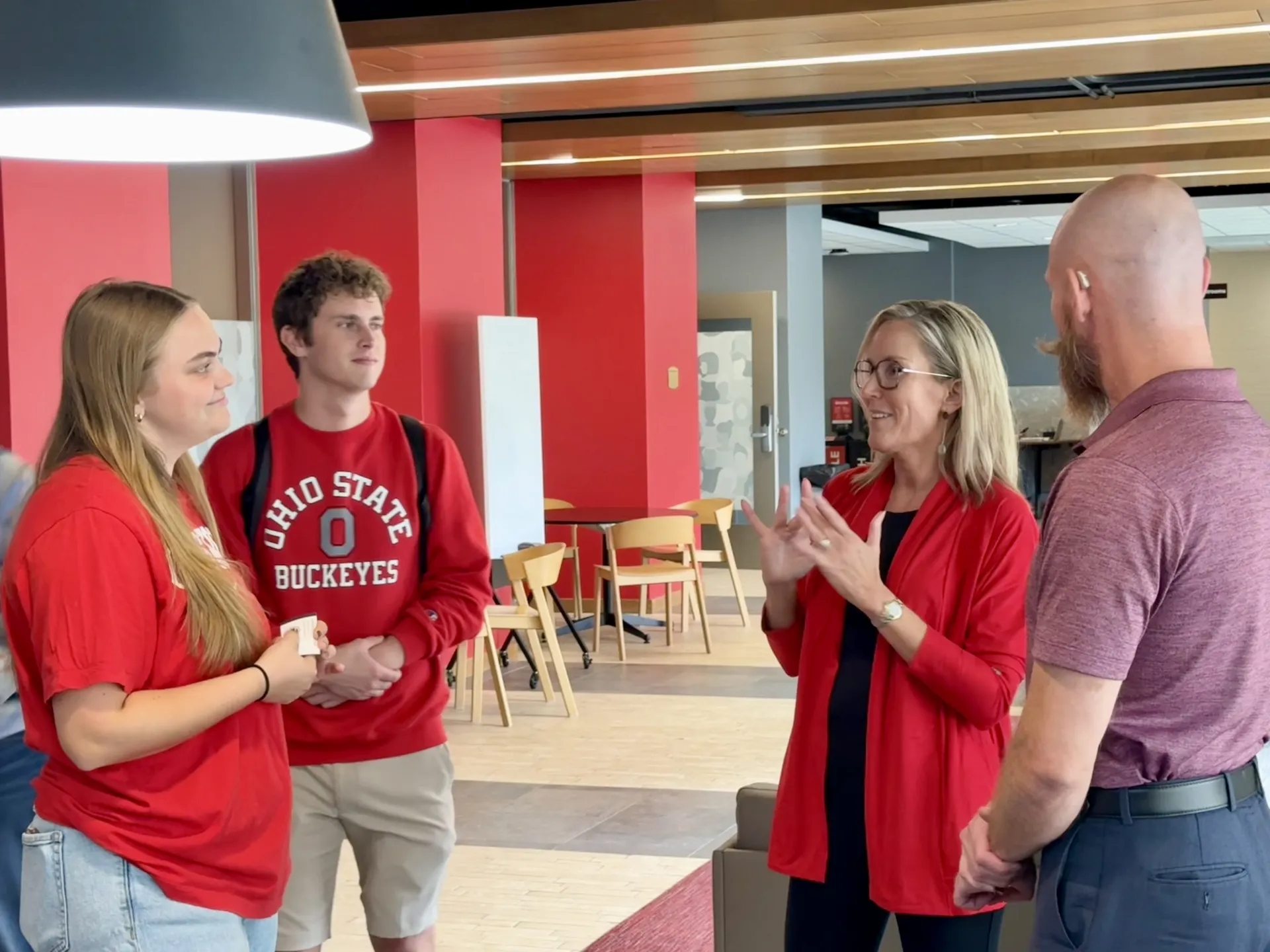
We also received a $25,000 grant from the Global Arts and Humanities Discovery Theme program to host a series of events geared to deepening our understanding of multimodal languaging, holistic inclusive excellence, and relationships with our community partners. With support from CLLC, in September, we welcomed Dr. Stephanie Cawthon, a nationally-renowned expert on integrating disabled students in higher education, from the University of Texas Austin. Her talk and meetings with university stakeholders inspired many ideas for how Ohio State might fulfill its promise of inclusive excellence.
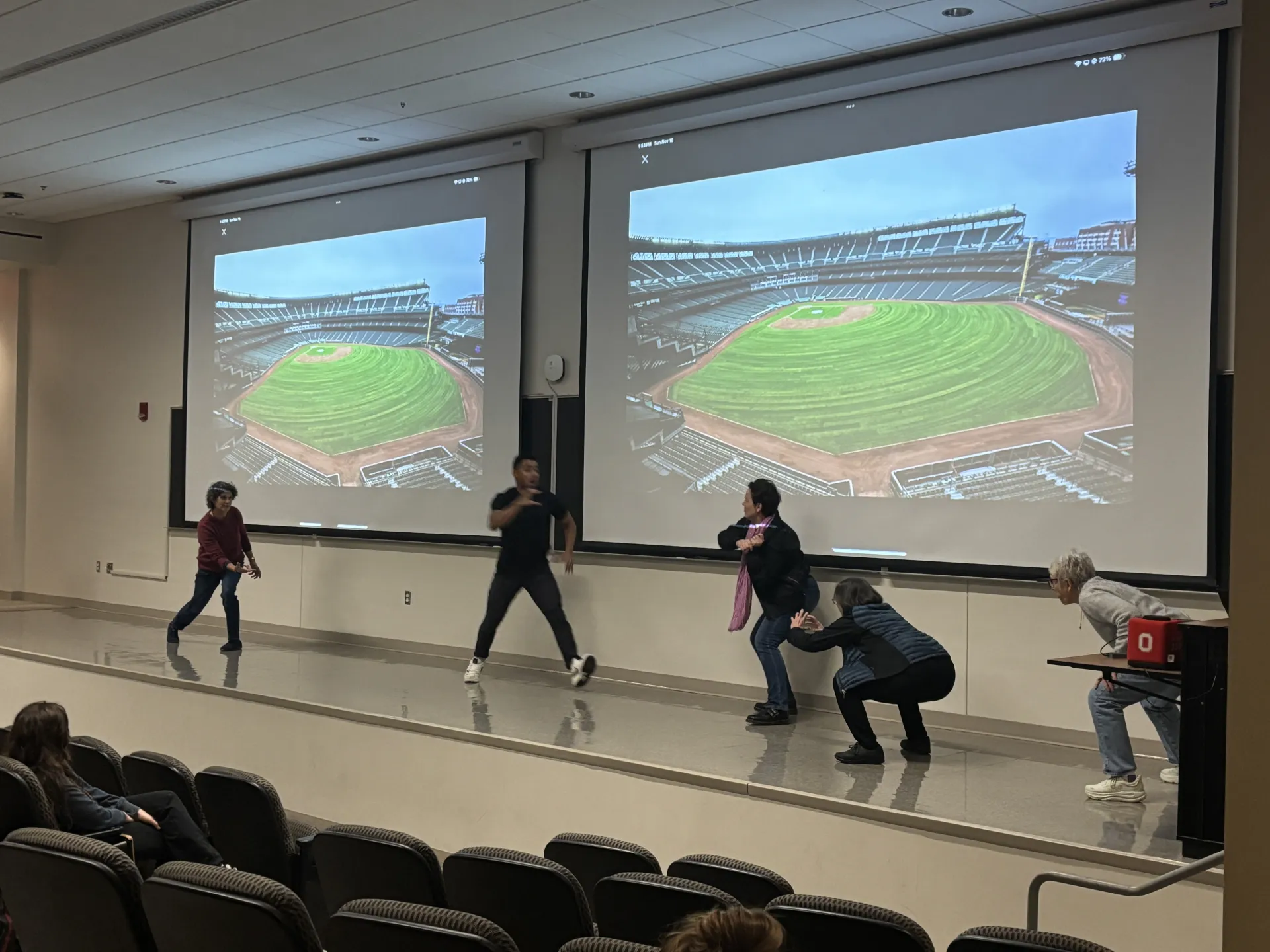
In November, we hosted visual vernacular artist Justin Perez who led an engaging improv workshop with our students. CLLC Director Janice Aski jumped in, delivering a very convincing performance as a ballplayer.
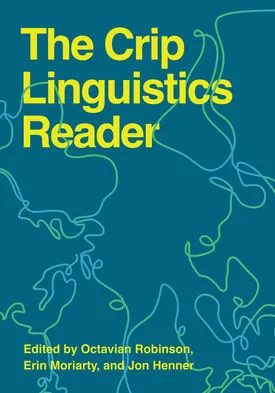
We hosted anthropologist Dr. Erin Moriarty from the University of Virginia in January. Her talk was about language attitudes, commodification of signed languages, and linguistic resistance. During Dr. Moriarty’s visit, 5S5S hosted a book launch to celebrate the publication of Dr. Robinson’s co-edited (with Drs. Erin Moriarty and Jon Henner) anthology, The Crip Linguistics Reader, a book that celebrates multimodal languaging.
Dr. Robinson represented 5S5S by presenting on multimodal languaging and the need for expansive inquiry in this area at Stanford, Stockholm University, Oslo Metropolitan University, Trinity College Dublin, and University of Limerick. He will teach a summer school course on crip linguistics in Ål, Norway.
In February, Kristin Wickham-Saxon, the assistant director of 5S5S, organized a half-day workshop at the Ohio School for the Deaf centered on training K-12 teachers on how to work with deafblind students. The training also included a separate protactile workshop one evening for DeafBlind community memebers in central Ohio. Protactile is an emerging philosophy of languaging that emerged from the DeafBlind community in Seattle, Washington. This philosophy embraces haptic languaging, working within a DeafBlind person’s natural semiotic repertoire to create meaning for communication. Our collaborators for this event were DeafBlind trainer Hayley Broadway and scholar Dr. Deanna Gagne from Gallaudet University.
In March, we hosted a webinar with Dr. Wyatte Hall from the University of Rochester in collaboration with the Ohio Deaf Association. This webinar focused on the cognitive benefits of early exposure to language and the impact of not having full access to language on cognitive development. In April, Dr. Octavian Robinson, Director of 5S5S, collaborated with Deaf Services Center and Deaf World Against Violence Everywhere to host a community event on self-advocacy, care, and justice.
Closing
We are already planning programming for the coming academic year and looking forward to welcoming our second cohort of certificate students.